Your book passes your publisher's legal review, or you don't pay for ours.
Pre-publication legal review and manuscript vetting for nonfiction authors, memoirists, and business owners. Flat fee. Ten business days for standard manuscripts, fifteen for the big ones. Guaranteed in writing.
Manuscript clearance for authors with something at stake. A former publishing general counsel reads every page for defamation, privacy, right of publicity, and contract landmines, hands you the legal read and your options, handles your publisher's lawyers, and puts a guarantee on it in writing.
The consultation is free. Or see the published pricing first.
What is manuscript clearance? Manuscript clearance, also called pre-publication legal review or vetting, is a lawyer's page-by-page read of a book before publication for defamation and libel, invasion of privacy including public disclosure of private facts, false light, right of publicity, and conflicts with your own contracts. Copyright, permissions, and trademark are available as a quoted add-on. At Muller Media Law it costs $6,500 to $9,500 flat, takes 10 to 15 business days, by tier, to a full written Gameplan, and comes with a cleared-or-free guarantee.
The chapter you keep rereading
You wrote the book to grow your business. It books the keynotes. It sits in the lobby. It turns "who are you" into "I read your book" before the meeting starts. And somewhere between $30,000 and $150,000 is already in it, the ghostwriter, the editor, the publicist waiting on a launch date, money the book pays back in clients and stages, never in royalties.
Which is why you keep rereading one chapter at 11pm. The partner you bought out. The former employer. The deal that went sideways. It's true, it's the best chapter in the book, and a small voice keeps asking what happens if he reads it too.
You're right to hear that voice. A demand letter can freeze a launch over a weak claim. A lawsuit becomes the Google result that outranks the book. And the settlement you signed six years ago may have an opinion about chapter seven that nobody on your book team is qualified to catch, because your book team are storytellers, and this is a legal problem wearing a story's clothes.
The fix was never cutting the chapter. The hard chapters are why anyone will talk about this book. The fix is clearing them.
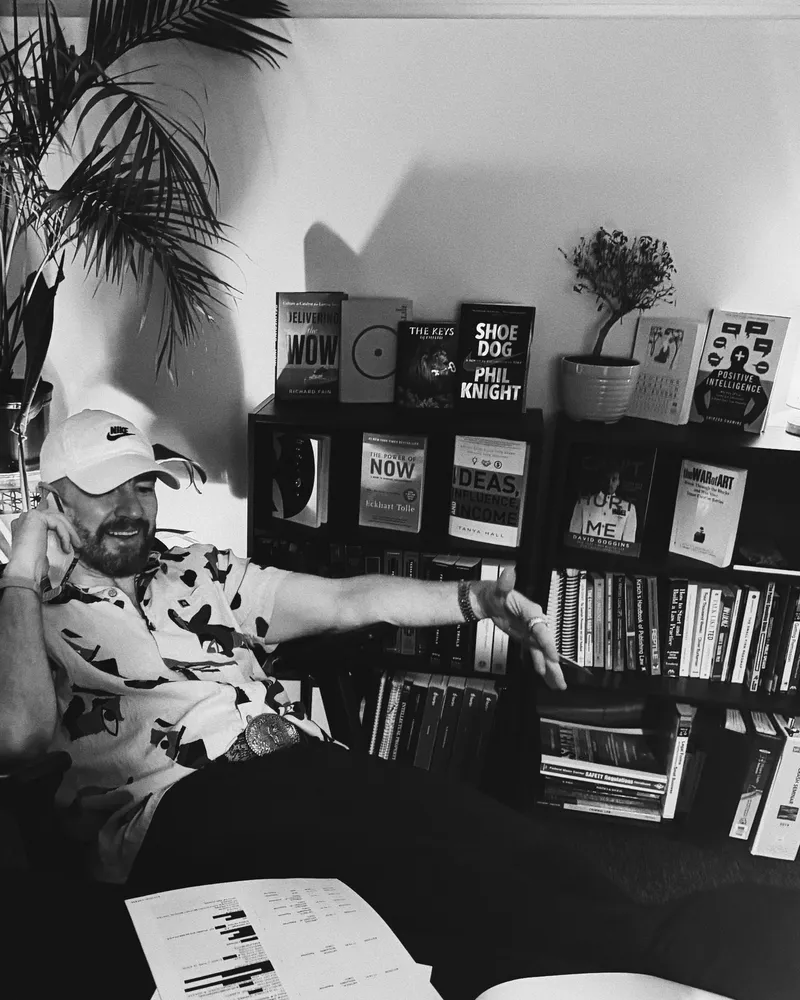
Read by the lawyer who'd otherwise sue you
Here's what makes this review different, and I'll say it plainly. I'm a plaintiff's trial lawyer, and the cases I try are personal injury cases. Finding the needle in a haystack worth suing over is part of my job.
Most clearance attorneys read your manuscript asking whether it's defensible. I read it the way opposing counsel will: hunting for the identifiable person, the provable-false assertion, the private fact, the paragraph a jury would circle. Then I flag what I find and show you the ways through.
The risks hiding in your manuscript are torts. A tort is a civil wrong, an injury one person inflicts on another that the law remedies with money damages, and defamation, invasion of privacy, and misappropriation all live in that family, right alongside the personal injury cases I try. Manuscript clearance and injury work are the same body of law seen from two sides. One side answers injuries after they happen. This side works to prevent them.
Before that, I spent years as general counsel inside a US publishing company with global reach, on the other side of the desk, deciding which manuscripts the house would touch and watching launches freeze when legal found problems late. I know what your publisher's lawyers will flag because I asked their questions for a living.
Attack-side eyes. House-side experience. Your manuscript gets both.
Guy Muller, Attorney at Law. Texas Bar No. 24098151. Former General Counsel, Greenleaf Book Group.
Hear the approach before you pay for it
Greenleaf Book Group is a leading hybrid publisher of business books and prescriptive nonfiction, and I was its General Counsel. While I held that role they had me on their podcast twice as a guest, once on legal risk in publishing and once on AI and copyright. Both episodes are below, free, so you can hear how I think about a manuscript before you ever pay me a dollar.
Then read the work: What You Can and Can't Say, a seven-part legal guide for writers, written free, with the cases cited.
What you get
The Full Legal Read.
Every page reviewed for defamation and libel, invasion of privacy including public disclosure of private facts, false light, right of publicity, and the risk that rarely gets checked: conflicts with contracts you’ve already signed. NDAs from a company sale. Non-disparagement clauses from a settlement. The paragraph you skimmed six years ago. Copyright, permissions, and trademark are available as a quoted add-on.
The Marked Manuscript.
Every credible risk flagged in the margin, named for exactly what it is, with the legal analysis, your options, and suggested language where it helps. It's your book and your voice: I show you the risk and the ways through it, and you choose the words. Never a problem raised without a path forward.
The Mitigation Memo.
A written opinion documenting every credible risk found, every mitigation applied, and why each mitigation cuts a claimant’s odds. Evidence that you did pre-publication legal review, which matters enormously if anyone ever sues, because it goes to exactly what they’d have to prove.
The Gameplan, on a guaranteed clock.
Full read, marked manuscript, memo, and a prioritized punch list: which releases, which permissions, which revisions, in what order. Delivered in 10 business days for Clearance, 15 for Clearance+, and we start the day you engage.
Re-review until cleared. Included.
Revise, resend, we re-read. No meter running.
Publisher liaison.
Their lawyers talk to me, in their language. You never sit alone on a call wondering what “indemnification of the house” means.
The Defense File.
Every release, contract, and source document organized and indexed to the claims it defeats, before anyone threatens you. If a demand letter ever comes, your lawyer’s first week of work is already done.
The Claim Response Protocol.
If a demand letter or takedown notice about the book arrives within twelve months of publication, you call me first, without a fee for that call. I assess it, and if it’s serious, I’ll recommend trusted media defense counsel and gladly help you find the right litigation defense attorney. The choice of counsel is always yours. Whoever you choose receives your complete Defense File and Mitigation Memo, the package that erases their first month of ramp-up, and I stay involved as consulting counsel where the rules allow. I built your file knowing I might one day be the witness to your diligence. That’s exactly why everything is in writing. (Defense counsel’s fees, if a defense is ever needed, are separate; what’s included is the strategy, the handoff, and a file that makes any defense faster and cheaper.)
Cleared for the whole country.
Your book ships to fifty states and the law follows the people you wrote about, wherever they live. So every flagged passage is cleared against the strictest standard it could face anywhere in the U.S. Survive the harshest room, survive every room. It’s the same worst-case discipline a major publisher’s legal department runs, because national distribution means national exposure.
Pricing
Clearance: $6,500
Manuscripts to 70,000 words, standard risk. Gameplan in 10 business days or 25% back.
Cleared, or it's free.
Recommended
Clearance+: $9,500
To 100,000 words, or elevated risk: named living adversaries, litigation in the story, regulated content. Adds your publishing contract review. Gameplan in 15 business days or25% back.
Cleared, or it's free.
Full Clearance: add $3,500
Done for you. We draft, send, and chase the releases and permissions identified in your Gameplan, up to ten items, and negotiate the fees. Additional items are $250 each, and high-volume projects, photo-heavy books, anthologies, heavily quoted works, get a written bundle quote before any work begins. You supply the documents and the answers only you have. Any fees rights holders charge for their permissions are always yours, never marked up, and always disclosed to you before they're incurred.
Cleared, or it's free.
Every fee published here is our fee for the legal work itself, not for anything a third party charges. Licensing and permission fees set by rights holders are separate, remain your responsibility, and are disclosed to you before they are incurred.
Over 100,000 words: quoted in writing before you sign. Custom scopes carry the 15-business-day clock unless your written quote states otherwise. Risk tier assessed at intake and confirmed in writing before engagement, so the price you're quoted is the price, period. Paid in two installments: half up front, which is what opens the attorney-client relationship, and half when the Gameplan is delivered.
Published rates are our standard rates for the scopes they describe. They're an invitation to talk, never an offer of representation. Every engagement starts with a conflicts check and a written scope confirmation, and no attorney-client relationship exists until we both sign the engagement agreement and the first installment is paid. Projects outside a defined scope, longer manuscripts, elevated risk profiles, or high volumes of permissions, releases, or images, receive a written quote before you decide anything.
We only accept two manuscripts a month.
A clearance done right means a lawyer reading every page, and each one takes significant time and resources. Capping the month at two is how the guaranteed timeline and every deliverable actually get met. Need it faster? Expedited 5-business-day Gameplan available at +25%, subject to confirmed availability.
Two clocks.
Your Gameplan arrives on your tier's guaranteed clock, 10 business days for Clearance, 15 for Clearance+, because that clock is ours. Final clearance follows the Gameplan's timeline, because releases and permissions run through other people's lawyers and rights holders, and no honest lawyer guarantees other people's calendars.
The consultation is free. Half the fee is due at engagement, half when the Gameplan is delivered.
How I work
On copyright and permissions. Most publishers' editors know copyright and permissions well and handle them as part of editing, escalating the hard calls to a lawyer. If you're publishing without that editorial support, tell me on the call and we'll scope it into your written quote so nothing goes unread. So my core read focuses where real legal analysis is essential: libel, invasion of privacy, and unlawful disclosure of confidential or private information. I do not sell work you do not need. If your book has advanced or complex copyright or permissions questions, or your editor flags one, I am glad to take it on for a fee we quote and agree at the start of the engagement. If we're not the right fit, I'll tell you, and I'll try to point you to who is.
One more thing about how I work. I don't rewrite your book, and you wouldn't want me to. You get the legal read, the options, and sample language to react to where it's useful, and creative control stays exactly where it belongs, with you. The hard chapters stay yours.
The guarantee, in writing
Cleared, or it's free.
If your publisher's legal review flags an issue in material we cleared, we rework and re-review at no cost until it passes. If we can't get it cleared, full refund.
- Fee
- $6,500 flat, quoted before you sign
- Gameplan
- 10 or 15 business days by tier, or 25% back
- Re-review
- Included until it passes
- Where it lives
- In writing, in the engagement agreement
The conditions, stated in the open
"Cleared" means legally cleared for publication by your publisher's legal review. Every publisher's legal team has its own risk tolerance, which is exactly why re-review of anything they flag is included until it passes.
The guarantee requires that you implemented the recommended changes, and that the objection is legal rather than editorial. It's your book, your decision, and your risk tolerance at the end of the day. If you choose to forego our recommendations, we can't be responsible for the consequences.
What no lawyer can guarantee, and I won't: outcomes. Promising results is unethical, and frankly impossible. Anyone can file anything. What I guarantee is what we do and how we do it: every page read, every credible risk named, every option laid out, everything documented. Clearance mitigates the risks before publication, so if someone does sue, their odds of succeeding go down and yours go up, and the Mitigation Memo documents exactly how.
The objections
"My publisher's lawyers review it anyway."
They do, for the publisher. Read your indemnification clause to see who pays when it goes wrong. Their review protects the house. Mine protects you, and gets you through theirs faster, because the manuscript arrives with the questions already answered.
"I'll run it through AI myself."
Everything you tell a chatbot about the risky parts of your book is discoverable. Everything you tell your lawyer is privileged. If you get sued, your chat log asking about chapter seven becomes Exhibit A. Your file with me never gets read by anyone.
"Truth is a defense."
Truth you can prove is a defense. Truth you remember is a deposition. And truth defends only defamation; it does nothing for privacy claims, where the complaint is that the true thing was private. Provable and organized wins. That's what the Defense File is for.
Questions authors ask
- How much does a manuscript legal review cost?
- Typical attorney libel reads run $2,000 to $5,000 for a marked manuscript. Muller Manuscript Clearance is $6,500 flat (to 70,000 words) or $9,500 (to 100,000 words or elevated risk) and includes a written Mitigation Memo, a Gameplan on a guaranteed 10 or 15 day clock, publisher liaison, re-review until cleared, an organized Defense File, and a cleared-or-free guarantee.
- Can I be sued for writing about real people in my memoir?
- Anyone can file a suit, which is exactly why review exists before publication. The realistic risks are defamation, invasion of privacy, and misidentification, and each has known mitigations: substantiation, revision, releases, and documented composites. Clearance applies those mitigations so a claim that gets filed is a claim built to lose. The factors that decide who is safe to write about are in Why you can write about some people and not others.
- Do publishers require a legal review?
- Traditional and hybrid publishers run their own legal review of risky nonfiction, and their review protects the publisher, whose contract almost always makes the author indemnify the house. Arriving pre-cleared with a mitigation memo protects you and speeds their review.
- How long does pre-publication review take?
- Muller Manuscript Clearance delivers the complete marked manuscript, memo, and Gameplan in 10 business days for the Clearance tier and 15 business days for Clearance+ and custom scopes, measured from engagement, complete manuscript, and intake. Third-party items like permissions run on the rights holders’ timelines, and the Gameplan sequences them.
- What does a manuscript review check for?
- Defamation and libel, invasion of privacy including public disclosure of private facts, false light, right of publicity, identifiability of disguised people across the whole book, and conflicts with the author’s own contracts: NDAs, settlement confidentiality, and non-disparagement clauses. Copyright, permissions, and trademark (quotes, lyrics, images, letters) are available as a quoted add-on.
- Does a legal review guarantee I won’t be sued?
- No review can prevent a filing, and any provider claiming otherwise is misleading you. What clearance does is reduce a claimant’s likelihood of success and document your diligence, which matters directly to what a plaintiff must prove.
The date you announce should be the date it ships. The chapters that scare you should be the ones that sell it.
Manuscript Clearance. Cleared, or it's free.
For the ones with a story to tell.